Architectural Floral Design
Blending Structure with Nature
Beyond the Bouquet
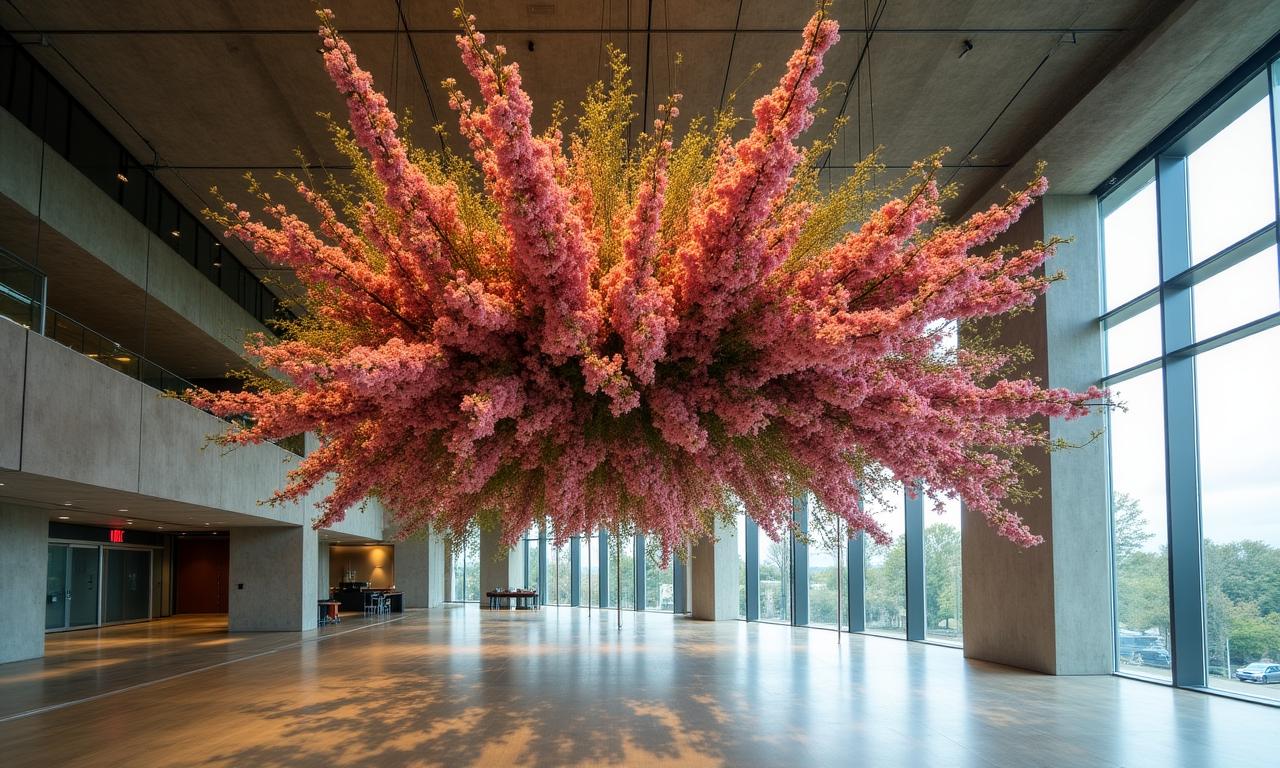
At Keystone Blooms, we view floral design as an extension of the built environment. Architectural floral design isn't just about selecting beautiful blooms; it's about understanding lines, volume, and how a botanical installation can transform the geometry of a room.
While traditional arrangements focus on volume and color density, architectural design prioritizes form and the relationship between the plant matter and the space it inhabits. It is a dialogue between the rigid constraints of steel, glass, and stone, and the fluid, ephemeral beauty of nature.
"True architectural design happens in the tension between what is there and what is absent. Negative space is our most powerful tool."
The Role of Negative Space
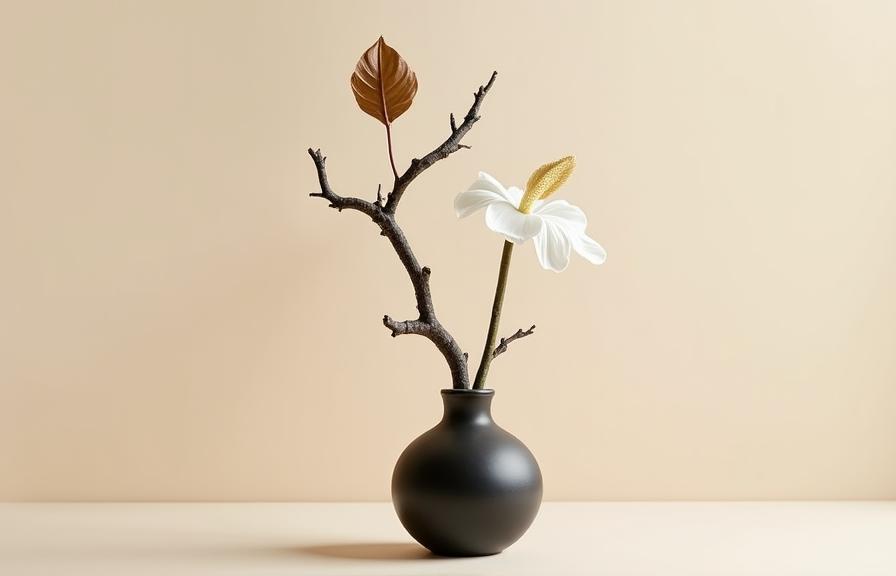
Emptiness allows the eye to rest and the form to breathe. By consciously leaving gaps in an installation, we emphasize the silhouette of each branch and the delicate curve of every petal. This technique creates a sense of lightness and sophisticated restraint that mirrors modern minimalist architecture.
Material Selection: Form over Filler
To achieve structural integrity, we curate materials with inherent strength. We often look beyond the flower market to the forest Floor and the sculptor's studio:
- Rigid Elements: Magnolia branches, curly willow, and dried palm fronds provide the skeletal framework.
- Textural Contrast: King Protea and Anthuriums offer bold, waxy surfaces that catch the light like polished marble.
City of London Lobby Installation
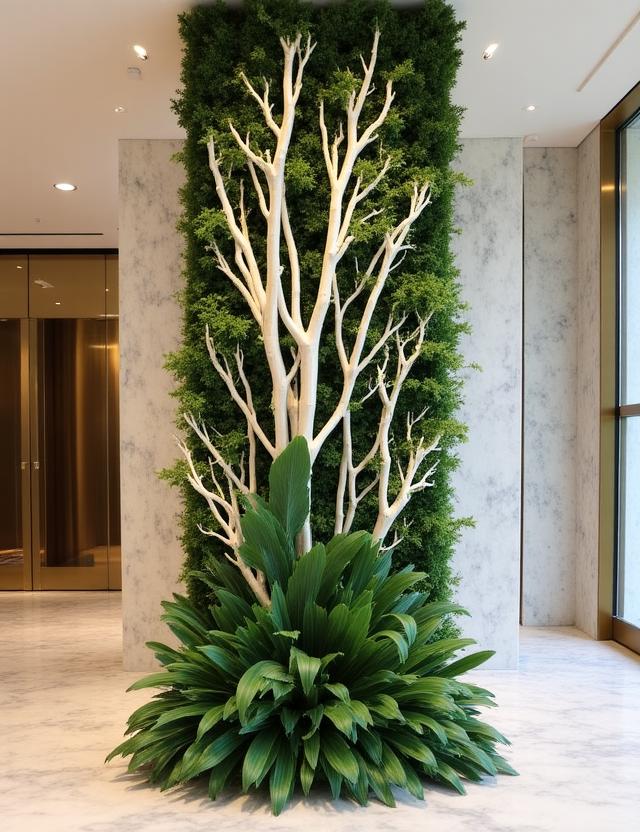
For a boutique commercial space near London Bridge, we created a 4-meter vertical installation that integrated with the existing marble pillars. By using soaring Birch branches and locally sourced moss, we softened the industrial atmosphere while maintaining the professional gravity of the firm.
Why Modern Brands Choose Structure
Traditional florals can sometimes feel dated or overly sentimental. Architectural designs project authority, innovation, and an appreciation for modern art. In a commercial context, these installations act as living sculptures—conversation pieces that reflect a brand's commitment to detail and creativity.