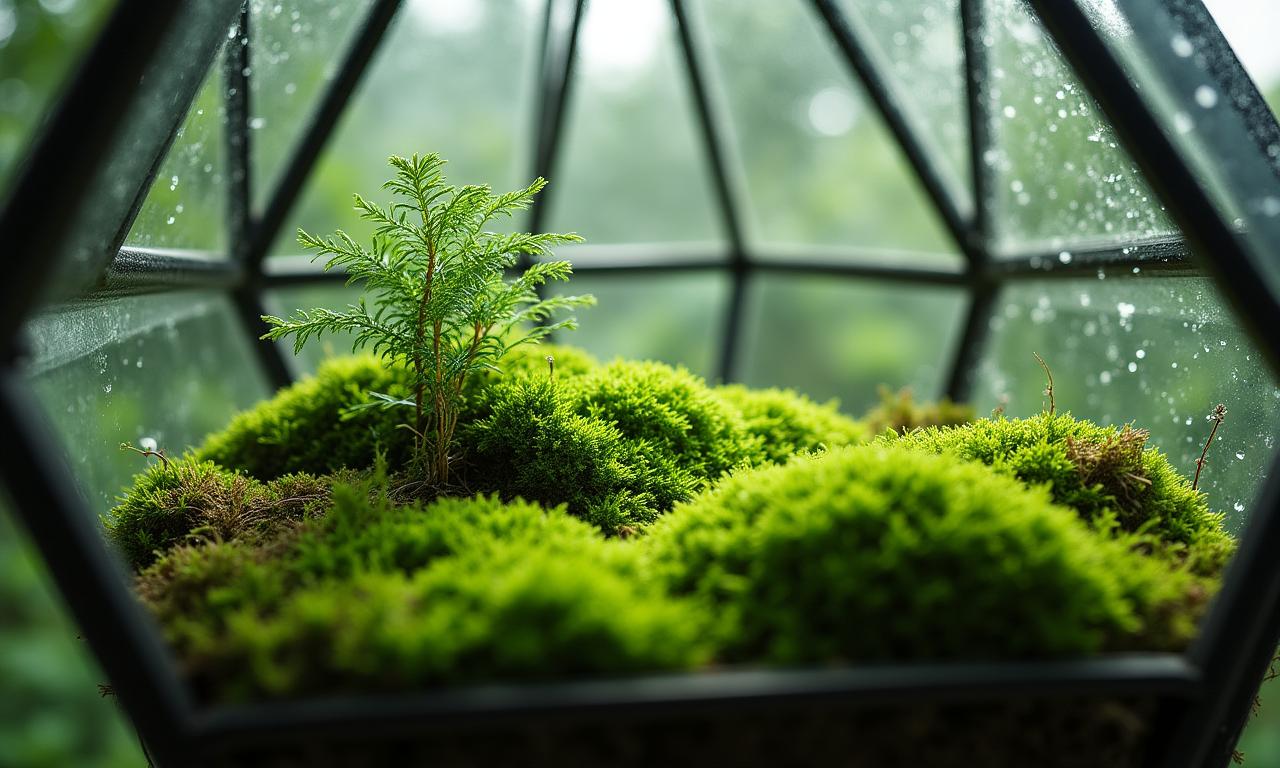
There is a unique stillness found when peering into a terrarium—a self-contained universe of vibrant greens and curious textures. At Keystone Blooms, we view these miniature ecosystems as living sculptures. While they are resilient, understanding the delicate balance of light, water, and air is essential to keeping your tiny botanical world thriving for years to come.
1. Light Requirements: The Sun's Gentle Touch
In the world of mosses and ferns, direct sunlight is a magnifying glass that can quickly scorched delicate leaves. Your terrarium acts like a greenhouse; it captures heat.
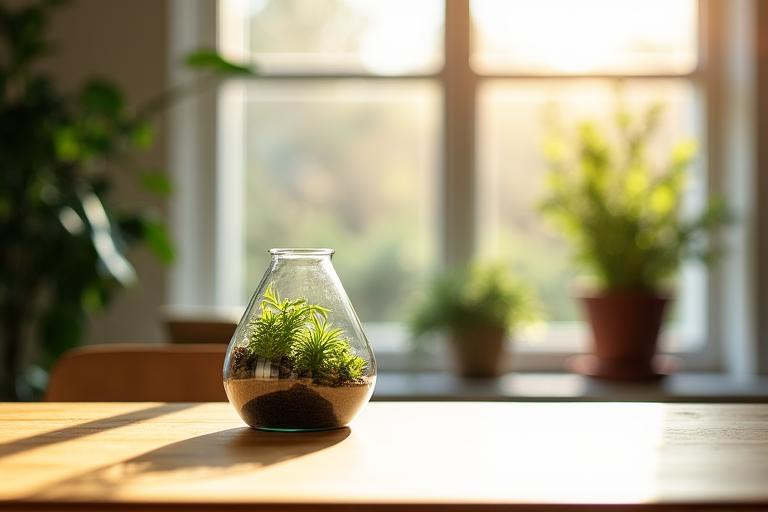
- Placement: Position your terrarium in a room with bright, indirect light (North or East facing windows are best).
- Rotation: Turn your vessel every few weeks to ensure all sides receive even light and growth stays upright.
2. Watering Rituals: Humidity is Key
The most common cause of terrarium failure is overwatering. For enclosed vessels, the system recycles its own moisture. Before reaching for the watering can, observe the condensation on the glass.
The Finger Test & Vapor Check:
- If the glass is totally clear and the soil feels bone dry, add 1-2 tablespoons of distilled water.
- If the glass is dripping with water, keep the lid off for half a day to let excess moisture evaporate.
- Look for a light morning fog on the glass—this is the sign of a healthy cycle.
3. Pruning and Maintenance
To maintain the architectural integrity of your design, you must act as the gardener of this tiny estate. Regular pruning prevents faster-growing plants from crowding out smaller varieties.
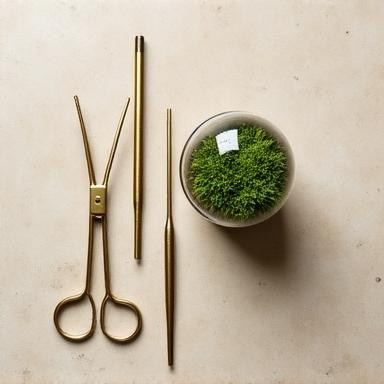
"Maintenance is not a chore—it is a moment of connection. Trim any leaves that touch the glass to prevent rot, and remove yellowed foliage promptly to keep the ecosystem clean."
Are you ready to build your own ecosystem?
Join our next Architectural Terrarium Workshop at our London workshop. We provide the structural glass, rare succulents, and sculptural mosses.
View Workshop Dates